

Living kidney donation asessment
If you volunteer to become a living kidney donor you will be asked to undertake a series of tests to make sure you are healthy enough to donate and that your kidneys are working properly.
Your health and safety is a priority and it is important to be aware that even if you want to be a donor, not everyone is suitable and there is a chance you may be unable to donate.
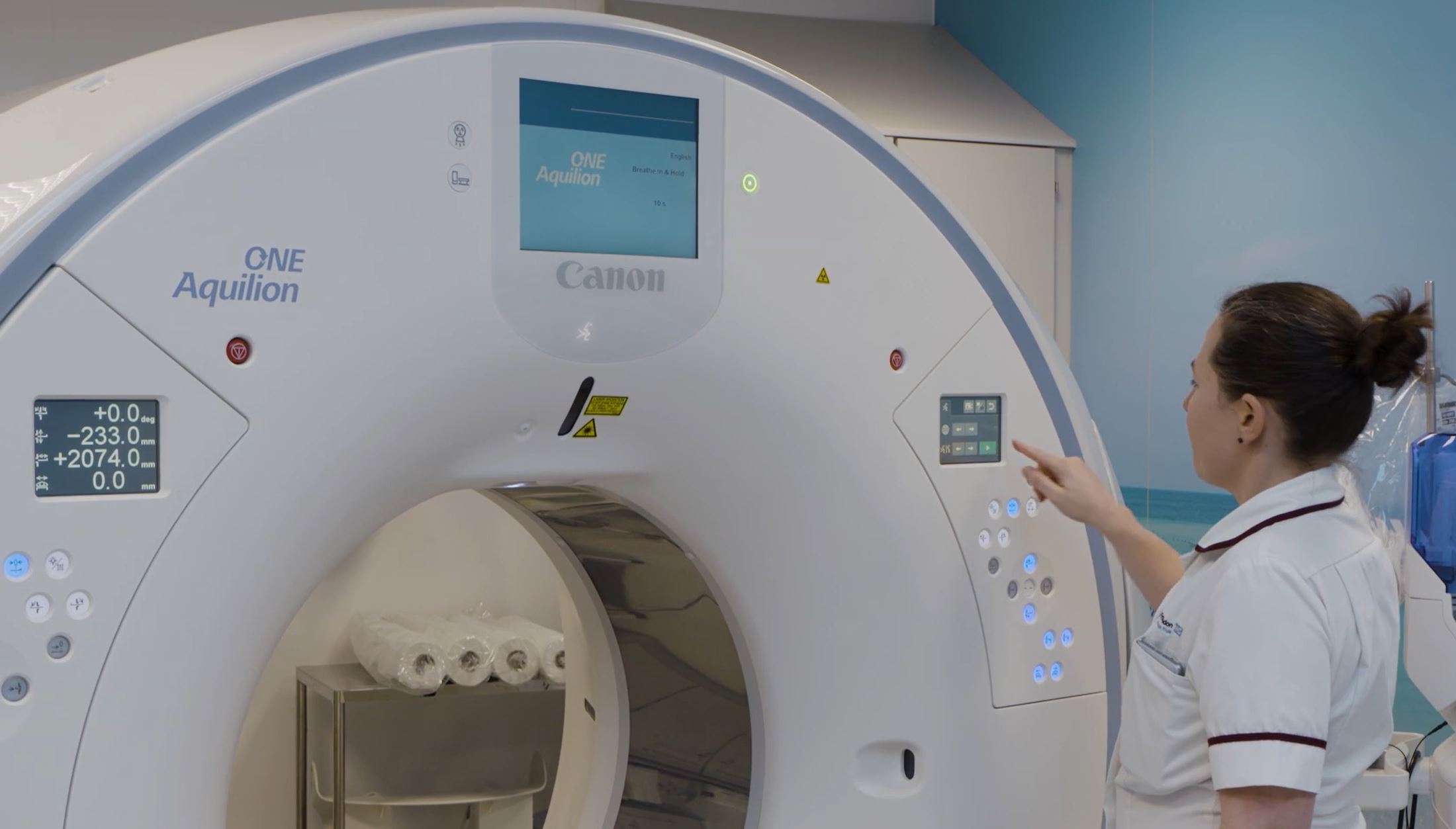
Physical assessments
Most living kidney donors will need to have a number of blood tests, urine tests and blood pressure checks.
Other tests include scans, some of which include an injection, x-rays, heart tracing (ECG) and a test of kidney function.
These tests are very specific to help reduce the risk of complications for both the you and the recipient of your donated kidney.
Your test results will be discussed with you once they are available. If the tests show you cannot donate for any reason, the transplant team will discuss this with you and also highlight any other health considerations they may have found.
Mental health assessments
If you volunteer as a living donor you may also benefit from a mental health assessment. Donating a kidney can be an emotional process, and your wellbeing is a priority. For this reason, it is important to assess if there is any possibility of you experiencing psychological harm during the donation process.
Most people referred for a mental health assessment go on to donate, but some may be identified as needing additional support in the period before or after donation.
Become a living kidney donor



Become a living kidney donor
Can’t find what you’re looking for?
For general enquiries
Email: enquiries@nhsbt.nhs.uk
Or call: 0300 123 23 23